
Rechargeable Bluetooth Hearing Aids
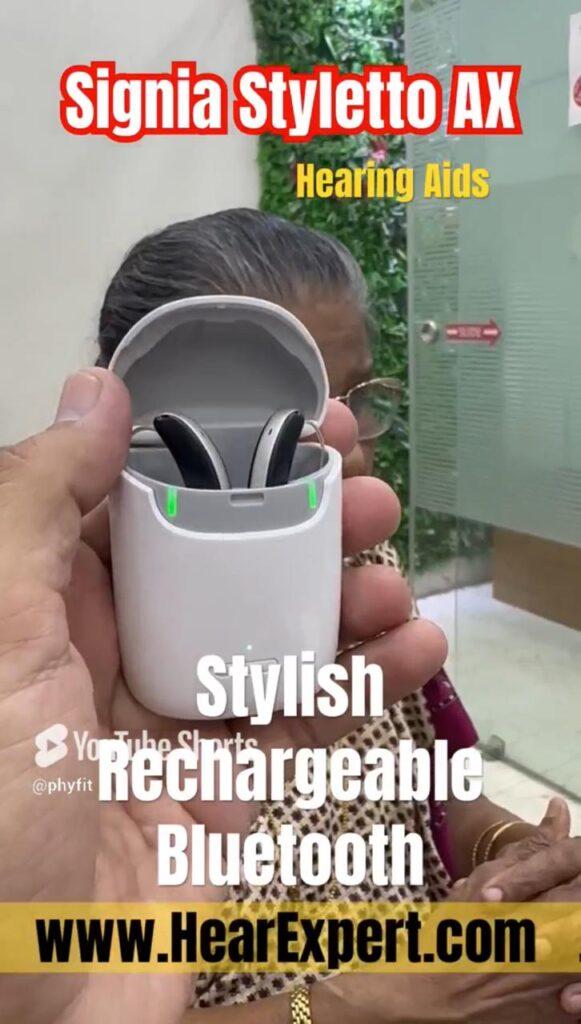
Rechargeable Bluetooth hearing aids represent one of the most significant advancements in hearing assistance technology in recent years. By combining wireless connectivity with long-lasting, rechargeable power, these devices offer a new level of convenience and performance for individuals with hearing loss. Gone are the days of fumbling with tiny, disposable batteries or struggling to keep up with everyday conversations—these modern hearing aids have truly transformed the experience of sound.
What sets these devices apart is their ability to seamlessly connect with smartphones, tablets, televisions, and other digital tools.
Users can now stream calls, music, podcasts, or even navigation instructions directly to their ears—making daily interactions smoother and more enjoyable. This direct streaming reduces the strain of trying to follow speech in noisy environments and allows for a more personalized listening experience.
In addition to enhanced functionality, rechargeable Bluetooth hearing aids are more environmentally friendly. By eliminating the need for single-use batteries, users can reduce waste and avoid the hassle of constantly replacing them.
The convenience of overnight charging means users wake up every day with fully powered devices, ready to go.
For millions of people worldwide, these hearing aids are not just tools—they are lifelines. They support independence, boost confidence, and ensure that users remain actively engaged in both social and digital aspects of life.
As digital technology continues to evolve, rechargeable Bluetooth hearing aids ensure that individuals with hearing loss are never left behind—they’re connected, empowered, and fully part of the modern world.
The Evolution of Hearing Aid Technology
Hearing aids have come a long way from their bulky, analog predecessors. The journey from basic sound amplifiers to sophisticated digital devices has been marked by continuous innovation aimed at improving sound quality, comfort, and functionality. The integration of rechargeable batteries and Bluetooth technology represents the latest chapter in this evolution.
Traditional hearing aids relied on disposable zinc-air batteries that needed replacement every few days. This not only created ongoing costs but also posed environmental concerns and handling challenges, especially for users with dexterity issues. The introduction of rechargeable technology has addressed these problems while opening new possibilities for feature integration.
The Evolution of Hearing Aid Technology
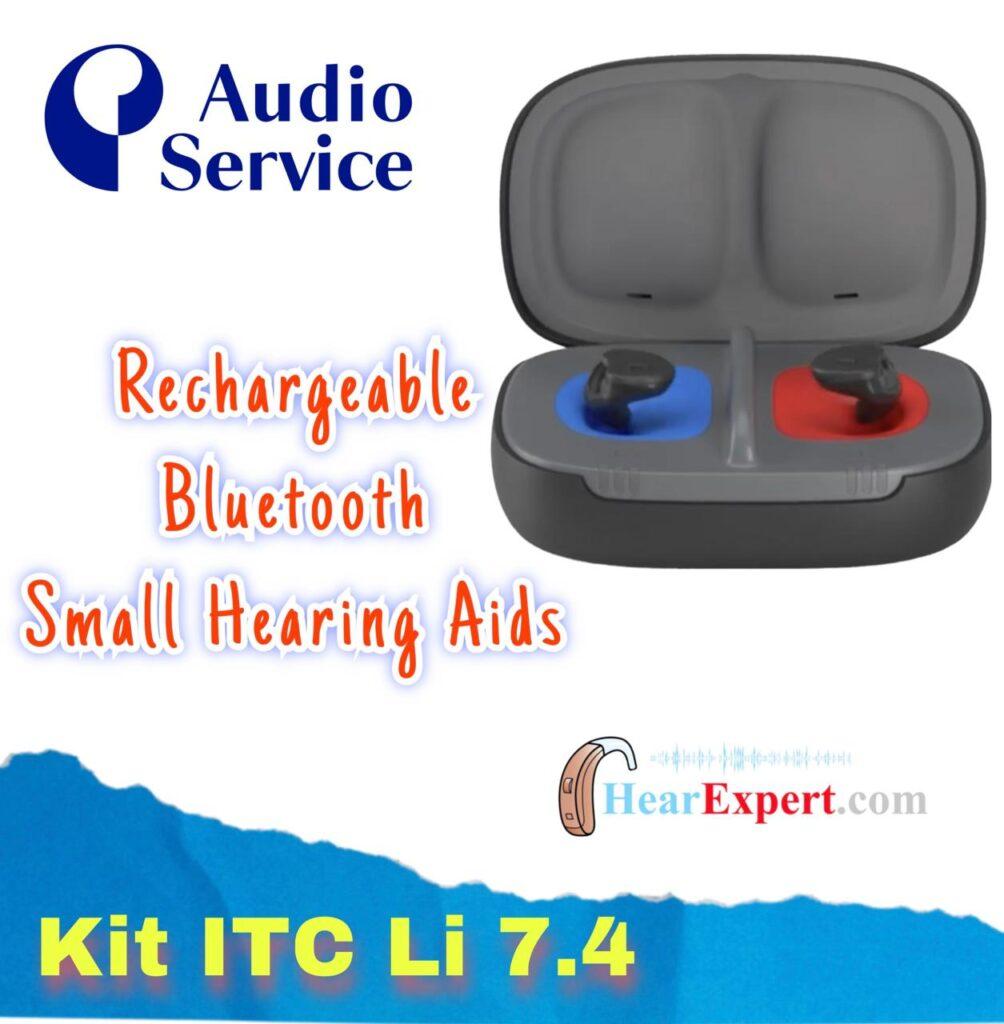
Rechargeable hearing aids offer numerous advantages over traditional battery-powered models. The most obvious benefit is the elimination of regular battery purchases and replacements. A single overnight charge typically provides a full day of operation, with many models capable of 24-30 hours of use per charge. This represents significant savings over time, both financially and environmentally.
Modern rechargeable hearing aids utilize lithium-ion or silver-zinc battery technology, providing reliable, long-lasting power. The charging process is simple and intuitive—most devices come with user-friendly charging cases that double as storage containers, protecting the hearing aids when not in use. Some premium models feature contactless inductive charging, allowing users to simply place their hearing aids on a charging pad without needing to manipulate tiny components.
For users with limited manual dexterity, the switch to rechargeable technology eliminates the frustration of handling the extremely small batteries used in conventional hearing aids. This represents a meaningful improvement in quality of life, particularly for elderly users.
The Bluetooth Revolution
The integration of Bluetooth technology has fundamentally changed how hearing aids function within our increasingly connected world. Bluetooth-enabled hearing aids can wirelessly connect to smartphones, tablets, computers, televisions, and other audio sources, essentially functioning as high-quality, personalized earbuds customized to the user’s specific hearing profile.
This connectivity allows for direct audio streaming of phone calls, music, podcasts, audiobooks, and television sound directly to the hearing aids. For many users, this represents the first time they can enjoy crystal-clear audio content without interference from background noise or the need for additional assistive devices.
Beyond entertainment, Bluetooth connectivity enables remote adjustments and personalization through smartphone apps. Users can discreetly adjust volume, change listening programs, check battery status, and even create custom settings for specific environments—all from their smartphone, without drawing attention to their hearing devices.
Smart Features and AI Integration
The latest generation of rechargeable Bluetooth hearing aids incorporates artificial intelligence and machine learning algorithms that continuously optimize the listening experience. These smart hearing aids can:
Automatically detect the acoustic environment and adjust settings accordingly
Learn user preferences over time and make automatic adjustments
Utilize directional microphones to focus on speech while reducing background noise
Offer tinnitus masking features with customizable sounds
Track health metrics such as physical activity and cognitive engagement
Detect falls and send alerts to designated emergency contacts
Translate foreign languages in real-time through connected apps
These capabilities transform hearing aids from simple amplification devices into multifunctional health and communication tools that support overall well-being and independence.
Choosing the Right Device
When selecting rechargeable Bluetooth hearing aids, several factors should be considered:
Most rechargeable hearing aids provide 24-30 hours of use per charge, but this can vary based on streaming activity. Users with active lifestyles who stream audio frequently should prioritize models with longer battery life.
Some devices offer quick-charge capabilities, providing several hours of use from just 30 minutes of charging. Others feature portable charging cases with built-in backup power for multiple recharges on the go.
While most devices work with both iOS and Android platforms, some offer more seamless integration with specific operating systems. Verify compatibility with your existing devices before purchasing.
Active users should look for devices with high IP (Ingress Protection) ratings that offer protection against moisture, sweat, and dust.
Rechargeable Bluetooth hearing aids come in various styles, including behind-the-ear (BTE), receiver-in-canal (RIC), and completely-in-canal (CIC) options. The choice depends on the severity of hearing loss, desired features, and personal preference.
Cost Considerations
Rechargeable Bluetooth hearing aids typically represent a higher initial investment compared to traditional models, with prices ranging from Rs 55000/- to Rs 300000/- per pair depending on the technology level and features. However, the elimination of ongoing battery costs partially offsets this premium over time.
Insurance coverage for hearing aids varies widely. Medicare typically doesn’t cover hearing aids, while Medicaid coverage varies by state. Many private insurance plans offer partial coverage, and veterans may qualify for devices through the VA. Some manufacturers offer financing options, and organizations like the Hearing Loss Association of America can provide resources about assistance programs.
The Future of Hearing Technology
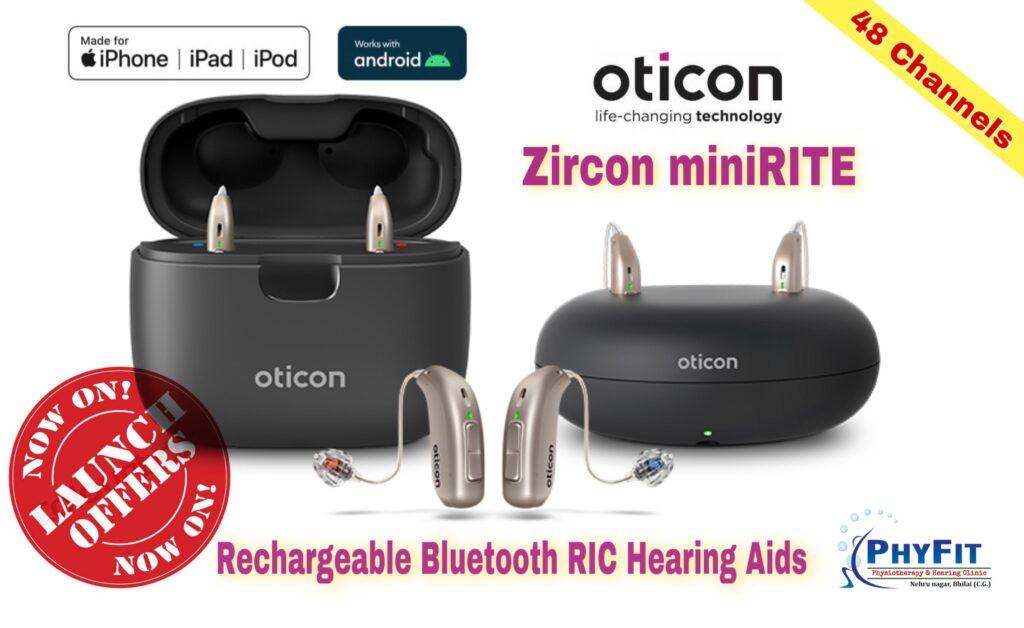
The future of rechargeable Bluetooth hearing aids looks promising, with ongoing developments in battery technology expected to further extend usage time between charges. Advancements in wireless technology will likely enable direct connectivity to more devices without intermediary accessories.
Emerging trends include enhanced biometric capabilities, allowing hearing aids to serve as comprehensive health monitoring devices, and improved AI integration for even more personalized sound processing. As technology continues to evolve, the line between hearing aids and multifunctional wearable technology will continue to blur, reducing stigma and expanding functionality.
Rechargeable Bluetooth hearing aids represent a significant leap forward in hearing assistance technology. By combining sustainable power solutions with wireless connectivity and smart features, these devices offer unprecedented benefits in terms of convenience, personalization, and functionality. For individuals with hearing loss, they provide not just improved hearing but enhanced connectivity to the digital world and greater control over their auditory experience. As technology continues to advance, these sophisticated devices will continue to transform lives by breaking down barriers to communication and connection.