
Are you curious about hearing aids? Maybe you’re noticing some hearing difficulties, or perhaps a loved one has suggested you might benefit from hearing assistance. You probably have lots of questions! This friendly guide answers common questions about In-The-Canal hearing aids to help you understand your options better.
What are In-The-Canal hearing aids?
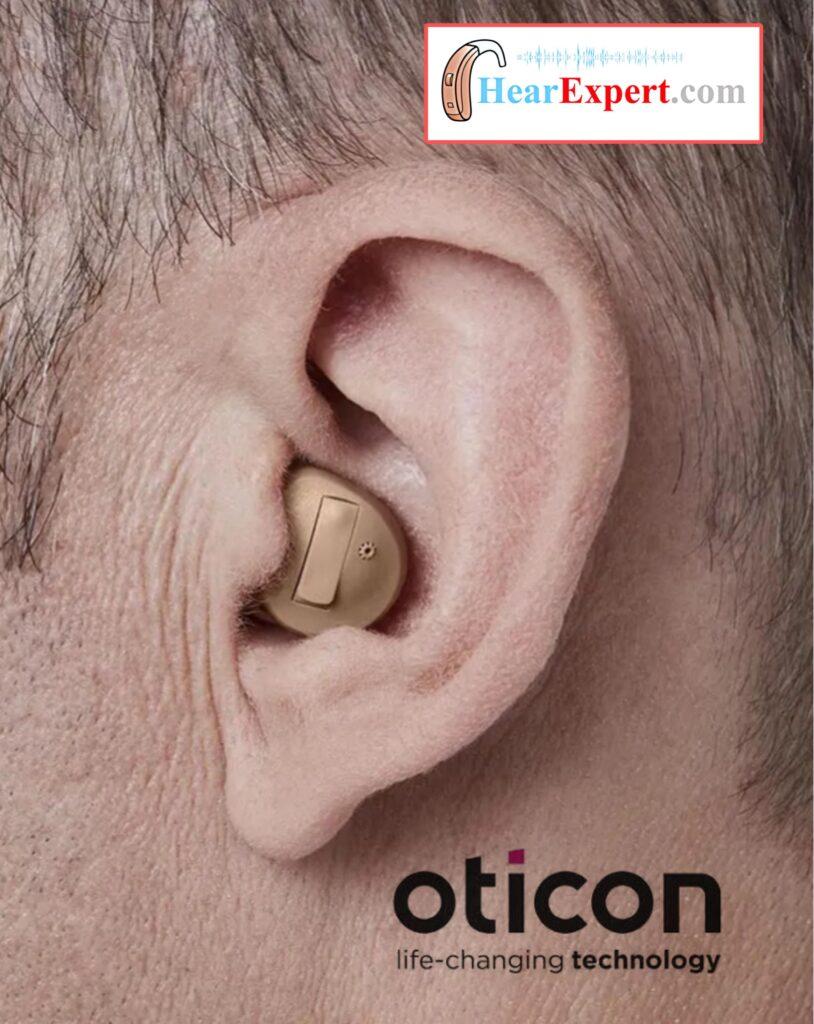
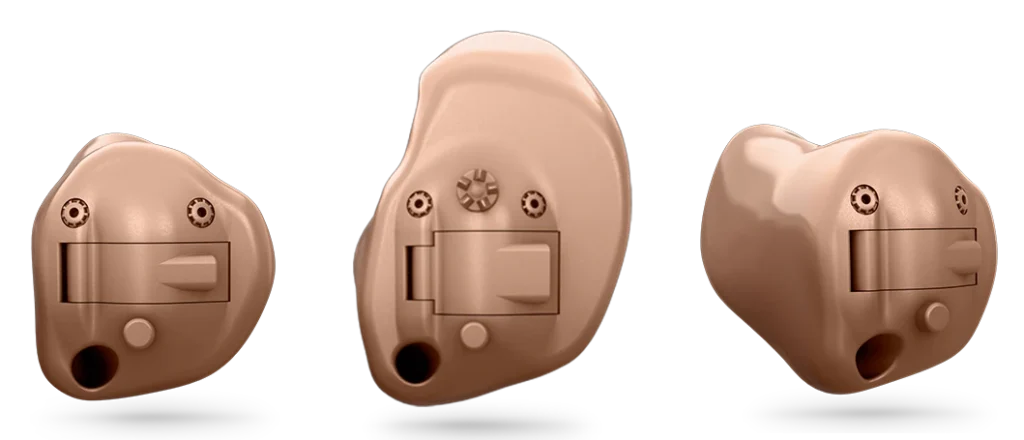
In-The-Canal Hearing Aids are small devices custom-made to fit partly in your ear canal. They’re more discreet than larger hearing aids that sit behind your ear. Each In-The-Canal hearing aid is specially molded to fit the exact shape of your ear, making them comfortable for all-day wear.
These devices are popular because they balance good sound quality with a less visible appearance. They’re suitable for mild to moderate hearing loss and pack impressive technology into their small size.
Who are good candidates for In-The-Canal hearing aids?
In-The-Canal hearing aids work well for many people, but they’re especially suitable if:
- You have mild to moderate hearing loss
- You want a less visible hearing solution
- You have good finger dexterity for handling small devices
- You don’t participate in activities with extreme moisture exposure
- You’re looking for a balance between features, battery life, and discretion
Some people may be better suited to other styles. For example, children usually use behind-the-ear models that can be adjusted as they grow.
How do In-The-Canal hearing aids differ from other types?
Hearing aids come in several styles, each with different features and benefits:
- Behind-the-ear (BTE) aids: Larger devices that sit behind your ear
- In-the-ear (ITE) aids: Fill most of the outer ear
- In-The-Canal (ITC) aids: Fit partly in the ear canal
- Completely-In-Canal (CIC) Hearing Aids: Sit even deeper in the ear canal, making them nearly invisible
The main differences are in visibility, size, battery life, and additional features. In-The-Canal models offer a good middle ground between the powerful features of larger aids and the invisibility of completely-in-canal models.
Are In-The-Canal hearing aids noticeable to others?
One of the biggest advantages of In-The-Canal hearing aids is their discreet appearance. They sit mostly inside your ear canal with only a small portion visible in the outer ear. Many people won’t notice you’re wearing them unless they’re specifically looking.
Their placement in the ear canal also means they won’t interfere with glasses, masks, or hats, which can sometimes be an issue with behind-the-ear models.
How long do the batteries last in In-The-Canal hearing aids?
Battery life depends on the specific model, features, and how many hours you use them each day. Typically:
- Traditional zinc-air batteries last about 3-7 days
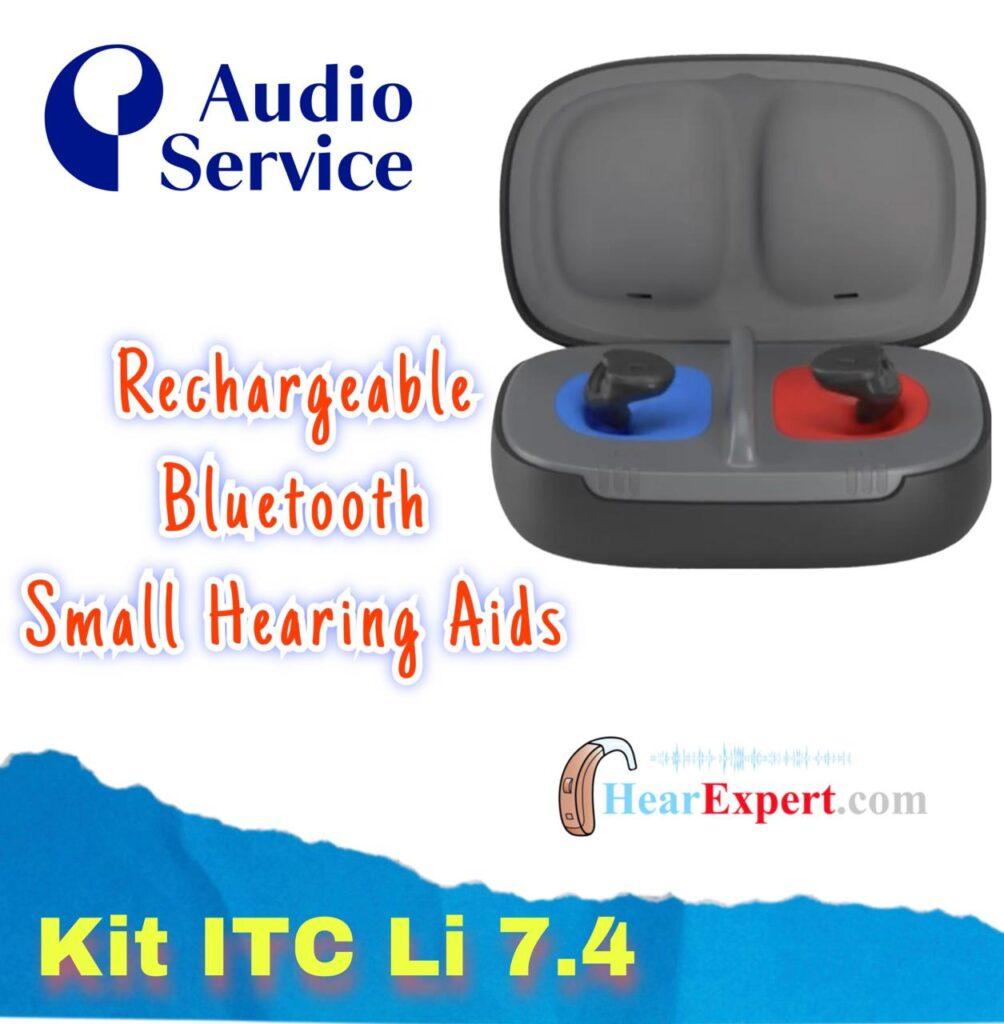
- Rechargeable models generally provide 12-24 hours of use per charge
Many newer models now come with rechargeable batteries, eliminating the need to change tiny batteries regularly. You simply place them in their charging case overnight, similar to how you might charge wireless earbuds.
Can I use my phone with In-The-Canal hearing aids?
Yes! Many modern In-The-Canal hearing aids offer excellent phone compatibility:
- Most work well for regular phone calls held up to your ear
- Many newer models feature Bluetooth connectivity for wireless streaming
- Some can connect to smartphone apps that let you adjust settings and volume
- Some advanced models allow direct audio streaming from iPhones or Android devices
The hearing specialists at Hear Expert can help you find models with the phone features that match your lifestyle needs.
How long do In-The-Canal hearing aids last?
With proper care and maintenance, you can expect your In-The-Canal hearing aids to last about 3-7 years. Factors affecting lifespan include:
- How well you maintain and clean them
- Your ear’s moisture and wax production
- The quality of the hearing aids
- How often you wear them
- Technological advancements (you might choose to upgrade for new features)
Regular professional cleaning and check-ups can help extend the life of your hearing aids.
Will In-The-Canal hearing aids help me hear in noisy places?
This is one of the most common questions! Modern In-The-Canal hearing aids are much better at handling background noise than older models. Many feature:
- Directional microphones that focus on sounds in front of you
- Noise reduction technology that identifies and reduces unwanted noise
- Special programs for different environments (restaurants, outdoors, etc.)
- Speech enhancement technology
While no hearing aid can completely eliminate background noise while preserving speech (even people with normal hearing struggle in very noisy settings), today’s technology makes a significant difference in challenging listening environments.
Also Read How Hear Expert Personalize Your Hearing Solution
How much do In-The-Canal hearing aids cost?
The cost varies widely depending on technology level, features, and where you purchase them. Generally, In-The-Canal hearing aids range from $1,000 to $3,500 per ear.
Factors affecting price include:
- Advanced features like Bluetooth connectivity
- Rechargeable batteries
- Artificial intelligence and machine learning capabilities
- The level of service included (fittings, adjustments, follow-ups)
Many providers offer financing options, and some insurance plans provide partial coverage. It’s worth checking if your insurance offers any hearing aid benefits.

How long does it take to get used to In-The-Canal hearing aids?
Most people need an adjustment period when they first start wearing hearing aids:
- Your brain needs time to relearn how to process sounds you haven’t heard clearly in a while
- The physical sensation of having something in your ear takes time to get used to
- Learning to insert and remove the aids properly requires practice
- Finding your preferred settings for different environments happens over time
Most people adjust within 2-4 weeks of consistent use. Starting with shorter wearing periods and gradually increasing can help. Remember that patience and persistence pay off!
How do I clean and maintain In-The-Canal hearing aids?
Proper maintenance helps your hearing aids last longer and perform better:
- Wipe them with a soft, dry cloth daily
- Use the cleaning tools provided by your hearing professional (usually a brush and wax pick)
- Keep them dry and away from extreme heat
- Remove them before showering or swimming
- Open the battery door at night (for non-rechargeable models) to allow any moisture to evaporate
- Visit your hearing care provider for professional cleaning every 4-6 months
Your hearing professional will demonstrate the proper cleaning techniques when you receive your hearing aids.
Can I try In-The-Canal hearing aids before buying them?
Yes! Most reputable hearing care providers offer trial periods, typically 30-60 days. During this time, you can:
- Test how the hearing aids work in your daily life
- Have adjustments made to improve your experience
- Determine if this style is comfortable for you
- Decide if the technology level meets your needs
If you’re not satisfied, you can return them according to the provider’s return policy.
How do I know if I need hearing aids?
Common signs that might indicate hearing loss include:
- Frequently asking people to repeat themselves
- Difficulty understanding conversation in noisy environments
- Turning the TV or radio volume louder than others prefer
- Feeling tired after social gatherings because of the effort to hear
- Misunderstanding what people say
- Trouble hearing on the phone
If you notice these signs, a professional hearing evaluation is recommended. The test is painless and provides valuable information about your hearing health.

Where should I go to learn more about hearing aids?
The best place to start is with a reputable hearing care provider who can:
- Conduct a thorough hearing assessment
- Explain your options in simple terms
- Help you understand the benefits and limitations of different hearing aid styles
- Provide personalized recommendations based on your hearing needs, lifestyle, and budget
For expert guidance on all types of hearing aids and personalized hearing care, consulting with trained professionals ensures you find the right solution for your unique needs.
Conclusion
In-The-Canal hearing aids offer an excellent balance of discretion, comfort, and performance for many people with hearing loss. With today’s advanced technology, they can significantly improve your ability to communicate and engage with the world around you.
If you’re considering hearing aids, speaking with a hearing care professional is the best next step to find the perfect solution for your hearing needs.